EN
EN  ES
ES 
The Vital Connection for a Healthy Smile: "You Are What You Eat"

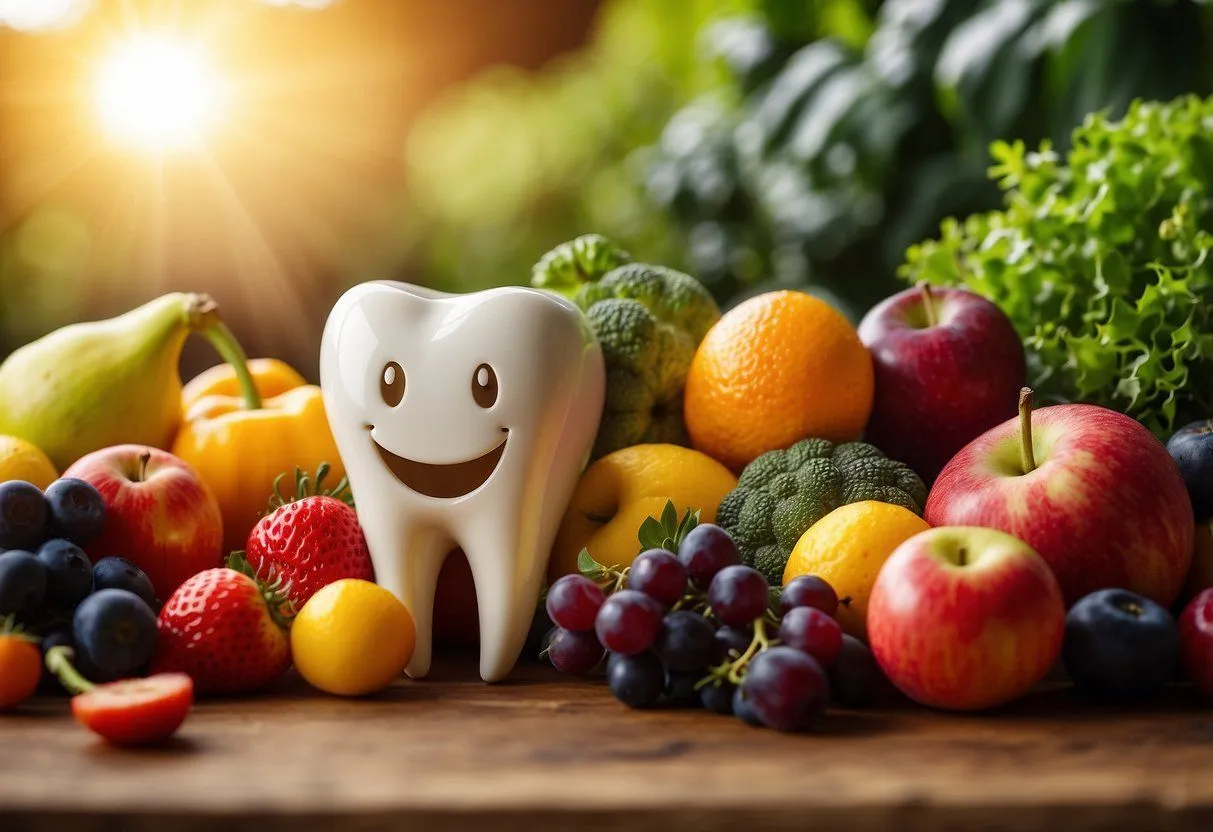
"We are what we eat," said Ludwig Feuerbach in 1850, and although this phrase has been repeated countless times, its profound meaning remains relevant today, especially when discussing oral health. What we consume not only impacts our overall well-being but also the health of our mouths. Proper nutrition is essential not only for maintaining our bodily structures but also for keeping our teeth, gums, and oral mucous membranes in optimal condition.
The Power of a Healthy Diet
A balanced diet not only provides the energy needed to function but also plays a crucial role in preventing diseases. To maintain a healthy oral cavity, proper nutrition provides:
- Essential Nutrients for the formation, growth, and repair of teeth, gums, and mucous membranes.
- The necessary energy for the proper functioning of our body.
- The reduction of risks of diseases, including oral ones.
- The required substances to regulate our metabolic processes.
The World Health Organization (WHO) has highlighted on multiple occasions that a healthy diet is key to preventing malnutrition and protecting us from non-communicable diseases, including oral conditions.
What impact does diet have on oral health?
One of the main conditions related to an inadequate diet is dental caries, which is one of the most common oral diseases. Excessive consumption of sugary and acidic foods promotes the development of caries, as these products cause the demineralization of tooth enamel and allow bacteria to proliferate in the mouth.
Conversely, poor salivation or bite problems, such as tooth loss, ill-fitting prosthetics, or temporomandibular disorders, can lead to poor nutritional status and further affect oral health.
Tips for maintaining a healthy mouth and proper nutrition:
To prevent poor nutrition from damaging our oral health, it is crucial to follow some essential guidelines:
- Maintain a balanced diet: Make sure to consume foods rich in vitamins and minerals that strengthen teeth and gums.
- Limit the consumption of sugars.: Sugary foods and beverages should be consumed in moderation to prevent the development of cavities.
- Avoid snacking: Frequent snacking may increase the risk of tooth decay, as the teeth are exposed to the acid in the food for a longer period of time.
- Brushing teeth after each meal: Good brushing removes food debris and helps prevent plaque buildup.
- Use a fluoride toothpaste and a suitable mouthwash: These products help to strengthen the enamel and prevent oral problems.
- Flossing: Don't forget to clean between the teeth to remove food debris and plaque that the toothbrush cannot reach.
- Visit the dentist regularly: Professional care is essential to maintain long-term oral health.
Foods that benefit oral health
Among the foods that should be part of your daily diet are:
- Fruits and vegetables: Rich in vitamins and minerals, and with properties that help clean teeth naturally.
- Dairy products: Rich in calcium, which strengthens teeth and gums.
- Fluoridated water: Helps prevent tooth decay by strengthening tooth enamel.
- Tea: With antioxidant properties that protect the gums.
On the other hand, you should avoid foods that can damage your teeth, such as sweets, soft drinks, refined sugars and acidic foods, which are known for their ability to demineralize enamel and cause cavities.
Conclusion
The relationship between nutrition and oral health is indisputable. A balanced diet is not only crucial for overall health, but also for maintaining a healthy, problem-free smile. Through proper eating habits and daily care, we can prevent oral conditions and ensure optimal oral health throughout life. Remember that your mouth reflects what you eat, so take care of it as it deserves!